

Welcome, Aspiring Blogger!
If you’re looking for a sustainable way to share your voice, establish authority, and create a lucrative source of income online, starting a blog is one of the most powerful decisions you can make. Many successful individuals and companies started with nothing more than a simple blog. If you are new to the world of blogging and monetization, this comprehensive, step-by-step guide will walk you through the entire process—from setting up your platform to generating substantial revenue.
Part 1: Laying the Solid Foundation for Your Blog
Every successful structure needs a strong foundation. In blogging, this means making the right initial choices that will sustain your growth for years to come.
1. Discovering Your Unique Niche
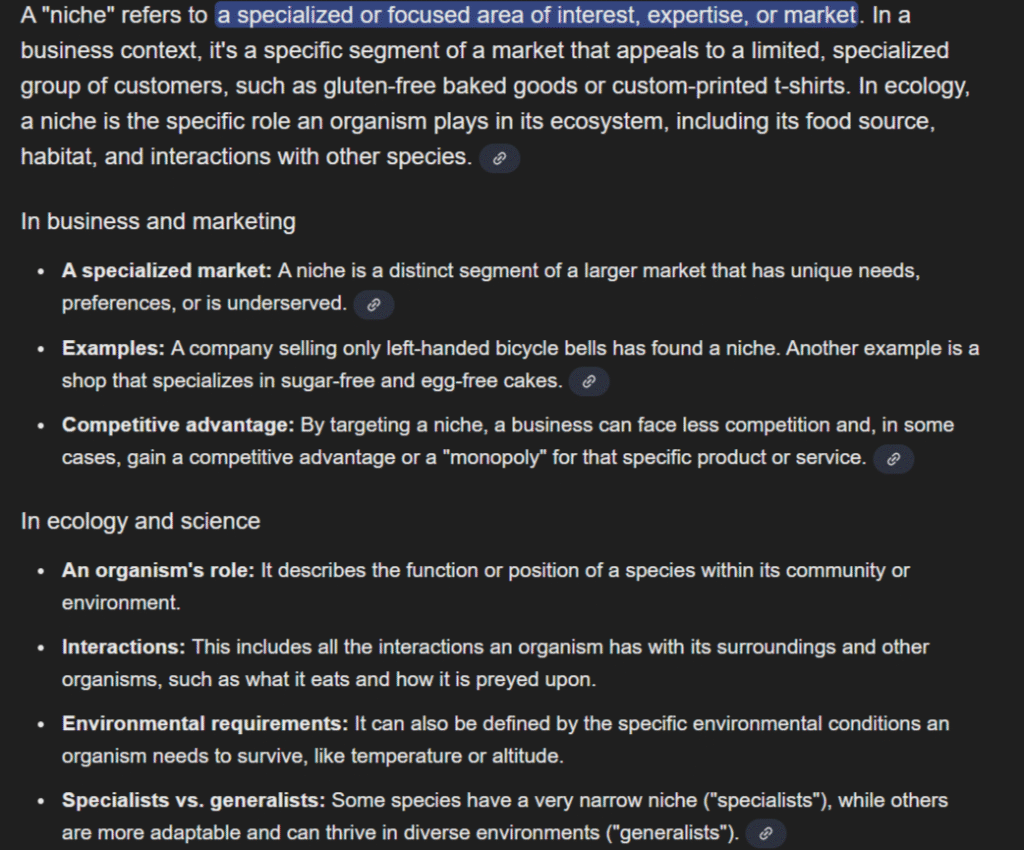
Your niche is the specific topic area you will focus on. It is the heart of your blog. A broad topic like “health” is often too competitive. A more focused niche, like “Vegan meal prep for busy professionals,” is specific and easier to dominate.
- Follow Your Passion and Expertise: Choose a topic you genuinely enjoy, are knowledgeable about, and can write about consistently without burning out.
- Determine Market Viability: Is there a demand for your chosen topic? Are people searching for information in this area? Use tools like Google Trends or keyword research tools to check interest.
- Assess Monetization Potential: Can you sell products, services, or run ads effectively within this niche? For example, a niche about rare historical facts might be interesting but difficult to monetize compared to a niche about personal finance.
2. Choosing the Right Platform and Hosting
This is the technical backbone of your blog. The right choice ensures stability and control.
- Free Platforms (e.g., Blogger, Medium): These are excellent for absolute beginners who want to test the waters with zero investment.
- Pros: Free, easy to set up.
- Cons: Limited customization, less control over your content, restricted monetization options, and your URL will contain the platform’s name (e.g.,
yourblog.blogspot.com).
- Self-Hosted WordPress (Recommended): This is the industry standard for professional bloggers who want to earn money.
- Requirements: You need to purchase a Domain Name (your unique web address, e.g.,
yourname.com) and Web Hosting (the space on the internet where your blog files live). - Pros: Full control over design and content, unlimited monetization potential, and the highest level of professionalism.
- Requirements: You need to purchase a Domain Name (your unique web address, e.g.,
Beginner Tip: Invest in affordable hosting services (like Bluehost, Hostinger, or SiteGround) which often offer a free domain name for the first year. WordPress installation is usually a one-click process with most hosts.
3. Designing for User Experience (UX)

Once your platform is set up, the design is crucial for keeping visitors engaged.
- Clarity and Simplicity: A clean, uncluttered design is paramount. Readers come for your content, not a flashy website.
- Mobile Responsiveness: Ensure your blog looks and functions perfectly on all mobile devices (smartphones and tablets), as the majority of internet traffic is now mobile.
- Fast Loading Speed: Google prioritizes fast websites. Optimize images, choose a lightweight theme, and select quality hosting to ensure quick load times.
- Essential Pages: Create and display key pages prominently:
- About Me/Us: Builds trust and connection with your audience.
- Contact: Allows opportunities for collaboration and reader queries.
- Privacy Policy & Disclaimer: Required, especially when monetizing with ads and affiliate links.
Part 2: Mastering Content Creation and SEO
Content is King. Without high-quality, relevant content, your blog will not attract the necessary traffic to generate income.
1. Creating High-Quality, Value-Driven Content
Your primary goal is to solve a problem or answer a question for your reader.
- Write for Your Audience: Understand their pain points, interests, and the level of detail they need.
- Depth Over Breadth: Long-form articles (like this 2000-word guide) that thoroughly cover a topic tend to perform better in search engines and provide more value to the reader. They establish you as an authority.
- Actionable Advice: Don’t just talk about a topic; show them how to do it. Use bullet points, numbered lists, and clear headings to make instructions easy to follow.
- Consistency is Key: Set a realistic posting schedule (e.g., once or twice a week) and stick to it. Regular content keeps search engines and readers coming back for more.
2. Understanding and Implementing SEO (Search Engine Optimization)
SEO is the practice of optimizing your content to rank higher in search engines like Google, which drives free, highly targeted traffic to your blog.
- Keyword Research: Identify the exact words and phrases your target audience uses when searching for information related to your niche. Use tools (free or paid) to find low-competition, high-volume keywords.
- On-Page SEO Best Practices:
- Title Tag: Include your main keyword at the beginning of your article’s title.
- Headings ($H_1, H_2, H_3$): Use your main and secondary keywords naturally in your subheadings to organize the content and signal relevance to search engines.
- Meta Description: Write a compelling snippet (150-160 characters) that includes your keyword and encourages users to click.
- Image Alt Text: Describe your images using relevant keywords, which helps visually impaired users and search engines understand the image.
- Readability and User Signals:
- Bounce Rate: If a visitor immediately leaves your site (high bounce rate), Google sees this as a poor signal. Ensure your content is engaging, well-formatted, and easy to read.
- Internal Linking: Link to your other relevant blog posts within the body of your new articles. This keeps visitors on your site longer and helps distribute “link authority.”
3. Formatting for Scannability
A 2000-word article can be intimidating. Break it up!
- Use Clear Headings and Subheadings: Use $H_2$ for main sections and $H_3$ for subsections.
- Short Paragraphs: Keep paragraphs to 3-4 sentences maximum. On a screen, long blocks of text are overwhelming.
- Bold Key Information: Use bolding judiciously to highlight critical points, making the content “scannable.”
- Visuals: Incorporate relevant images, charts, and infographics to illustrate points and break up text.
Part 3: The 5 Primary Monetization Strategies
Once your blog has consistent traffic (usually at least a few hundred visitors per day), you can start implementing monetization strategies.
1. Display Advertising (Ad Networks)

This is the most passive form of income, where you allow companies to display advertisements on your blog pages.
- Google AdSense: The easiest platform to start with, requiring no minimum traffic threshold (though quality standards must be met). You earn money based on impressions (CPM) or clicks (CPC).
- Premium Ad Networks (Mediavine, Ezoic, Raptive): Once you hit specific traffic thresholds (e.g., 10,000 to 50,000 monthly sessions, depending on the network), you can apply to these networks. They manage high-paying ads and typically offer a much higher revenue per thousand sessions (RPM) than AdSense.
2. Affiliate Marketing
This involves recommending products or services to your audience and earning a commission when they make a purchase through your unique affiliate link.
- How it Works: You write a review, tutorial, or guide that naturally incorporates a product (e.g., a camera review on a photography blog).
- Major Programs:
- Amazon Associates: The most popular program for physical products.
- Digital Product Affiliates: Programs for software, online courses, hosting services (e.g., Bluehost, AWeber) often offer much higher commission rates.
- Crucial Rule: Trust: Only promote products you genuinely use and believe in. Disclose your affiliate relationship clearly (it’s legally required in many regions and essential for transparency).
3. Selling Your Own Digital Products
This is often the most profitable monetization method because you keep almost 100% of the revenue. Your blog serves as a massive sales funnel.
- E-books and Guides: Package your best information into a downloadable E-book. This is a great entry-level product.
- Online Courses: If your niche involves teaching a skill (coding, cooking, fitness), a comprehensive video course can be highly valuable and command a higher price point.
- Printables/Templates: Selling niche-specific resources, like budgeting spreadsheets, meal plans, or website templates.
4. Offering Services
You can leverage your niche expertise to offer services directly to your audience or businesses.
- Consulting/Coaching: If you run a personal finance blog, you can offer one-on-one budgeting consultations. If you run a fitness blog, you can offer personalized training plans.
- Freelancing: Use your blog as a portfolio to attract high-paying writing, editing, SEO, or web design clients.
5. Sponsored Content and Partnerships
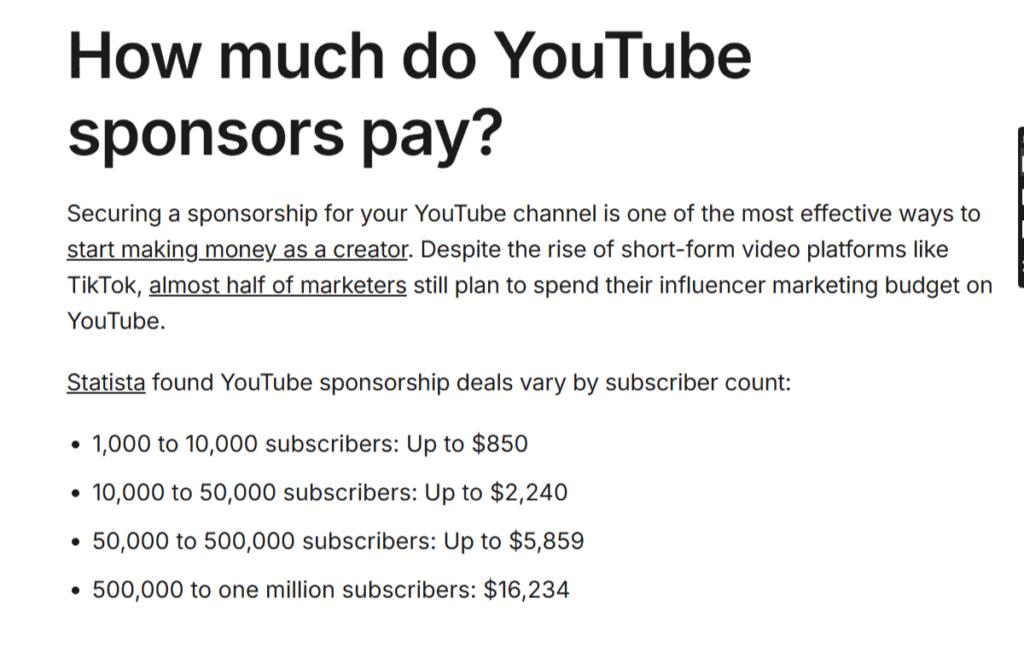
When your blog gains significant authority and traffic, brands will pay you to promote their products directly.
- Sponsored Posts: A brand pays you a fixed fee to write and publish an article about their product or service.
- Brand Ambassadorship: A long-term arrangement where you regularly promote a brand’s products across your blog and social media channels for a consistent monthly fee or product provision.
Note on Professionalism: Always clearly label sponsored content as such. Maintaining editorial integrity and being transparent with your audience is critical for long-term trust.
Part 4: Scaling and Long-Term Success
Blogging is a marathon, not a sprint. Success comes from compounding your efforts over time.
1. Building an Email List (Your Most Valuable Asset)
While you don’t own your social media followers or your Google traffic, you own your email list.
- Lead Magnet: Offer a free, high-value incentive (e.g., a “5-Step Checklist,” a free E-book, a template) in exchange for the visitor’s email address.
- The Power of Email: Use email marketing to notify subscribers about new posts, promote your products, and build a deep, personal relationship. It is the most reliable channel for converting readers into customers.
2. Promoting Your Content Beyond Google
Don’t rely solely on Google for traffic. Diversify your traffic sources:
- Social Media: Create engaging snippets, videos, or questions based on your article content to drive traffic from platforms like Pinterest (excellent for visual niches), Facebook, or X (Twitter).
- Community Engagement: Participate in relevant online forums and communities (like Reddit or niche Facebook groups). Share your blog posts where they provide genuine value (avoid spamming).
- Guest Posting: Write high-quality articles for other established blogs in your niche. This brings new readers to your site and earns valuable “backlinks” that boost your SEO.
3. Analytics and Data-Driven Decisions
Don’t guess what your audience wants—use data to find out.
- Google Analytics: Regularly check which articles are driving the most traffic, where your visitors are coming from, and how long they stay. Double down on what works.
- Content Audits: Periodically review your old articles. Update outdated information, improve the SEO, and make them longer/better. This is called “content refreshing” and is a highly effective SEO tactic.
Conclusion
Starting a blog and earning money is a journey that requires persistence, quality content, and a willingness to learn the technical and marketing aspects. It is a slow burn—you will likely not see significant income for the first 6 to 12 months.
However, by establishing a strong foundation, creating content that solves problems, mastering the basics of SEO, and implementing a mix of the five primary monetization strategies (Ads, Affiliate Marketing, Digital Products, Services, Sponsorships), you are building an incredibly valuable, long-term asset that can provide financial freedom and a rewarding career.
The most important step is the first one. Start writing today.

